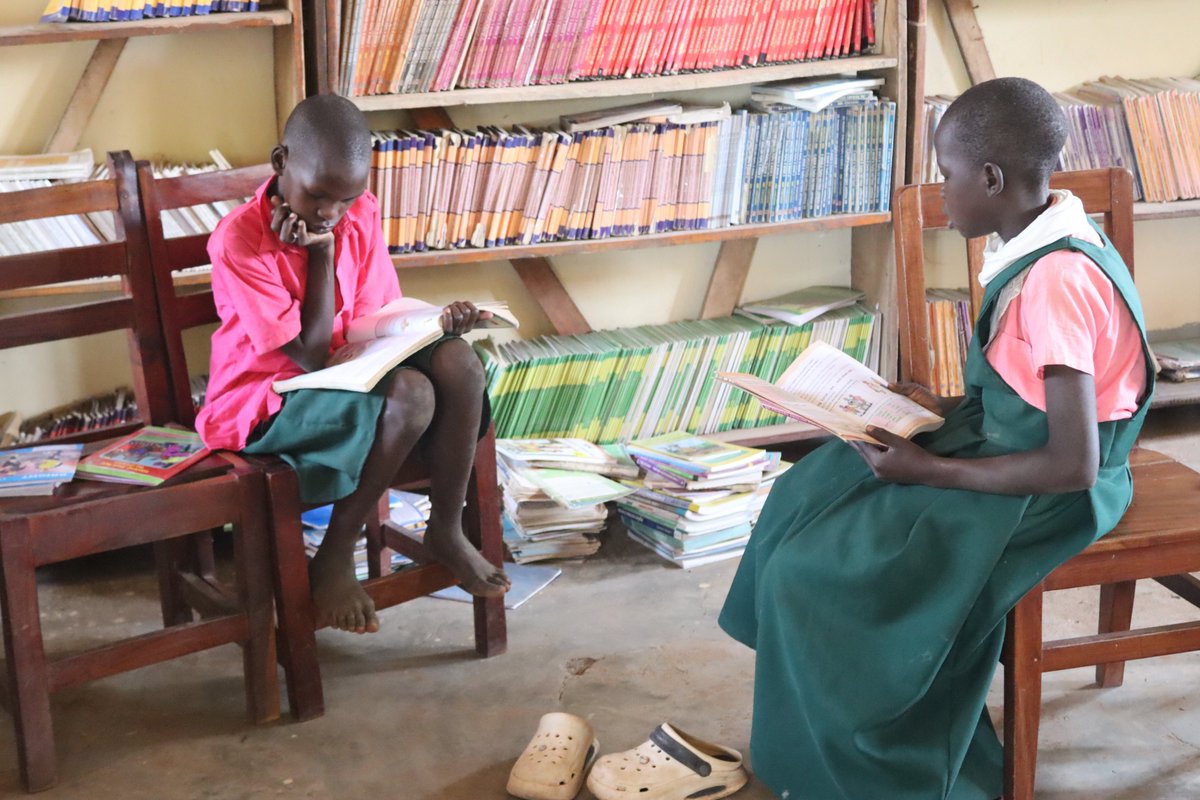
Reading is one of the most powerful habits a child can build during the primary years. It supports language, knowledge, imagination, concentration and confidence, but the biggest gains do not usually come from one long reading session every few weeks. They come from a steady pattern: a few pages today, a short conversation tomorrow, a favourite story read again, and a growing sense that books belong in everyday life.
For young learners, reading is not only about saying words correctly. Strong reading includes understanding what the words mean, following ideas across a page, connecting a story to previous knowledge and being willing to ask questions when something is unclear. That is why children benefit when adults treat reading as a conversation rather than a test.
A useful starting point is to create a simple routine. Ten to twenty minutes at roughly the same time each day can be more effective than a long, pressured session. Some families read after supper. Others choose a quiet moment before bed. The exact time matters less than consistency. When reading becomes predictable, children are less likely to see it as an extra task and more likely to see it as part of normal family life.
Choice also matters. Children should have opportunities to select books that genuinely interest them. One child may love stories about animals, another may prefer football, machines, nature, humour or adventure. Interest creates attention, and attention creates opportunities to practise. Adults can still guide children toward a varied reading diet, but giving some choice helps children develop ownership.
While reading together, ask open questions. Instead of asking only, “What is this word?”, try questions such as, “Why do you think the character did that?”, “What might happen next?”, or “What would you do in this situation?” These questions help children go beyond decoding and practise reasoning, prediction and expression. They also show that reading is about ideas.
Vocabulary grows naturally when children meet new words in meaningful contexts. If a new word appears, explain it simply and use it in another sentence. There is no need to stop at every unfamiliar word. Too many interruptions can make reading feel mechanical. Choose a few useful words and revisit them later in normal conversation. Repetition across different situations helps new vocabulary become part of a child’s active language.
Reading aloud remains valuable even after a child can read independently. When adults read slightly more advanced texts aloud, children can enjoy ideas and vocabulary that may be above their current decoding level. They also hear fluent phrasing, expression and pacing. Older primary children can benefit from this just as much as younger ones, especially when the book is interesting and the discussion is relaxed.
It is also important to protect confidence. Children will make mistakes. Correct every small error and reading can become stressful. Ignore every error and important patterns may be missed. A balanced response works best. Give the child a moment to self-correct, offer a gentle prompt when needed, then continue. The goal is accuracy with understanding, not perfection under pressure.
Families can strengthen reading without buying a large home library. School books, borrowed books, community resources, newspapers, age-appropriate articles and printed stories can all provide useful practice. Children can also reread familiar books. Rereading is not wasted time. It can increase fluency, deepen comprehension and allow children to notice details they missed the first time.
Teachers and parents can support each other by sharing simple observations. A parent might notice that a child enjoys informational texts but avoids longer stories. A teacher might notice that the same child reads accurately but struggles to explain the main idea. When adults exchange these observations, support becomes more targeted and consistent.
Most importantly, children notice adult attitudes. If reading is always presented as punishment, correction or extra work, they may resist it. If they see adults reading, discussing ideas and enjoying stories, they receive a different message: reading is useful, interesting and worth making time for.
Daily reading is not a race. Progress can be gradual and uneven. The aim is to build a learner who approaches text with curiosity, persistence and growing independence. A child who reads often, talks about what they read and feels safe making mistakes is building far more than literacy skills. They are building confidence in their ability to learn.